AI Revolutionizes Early Disease Detection with Superior Accuracy
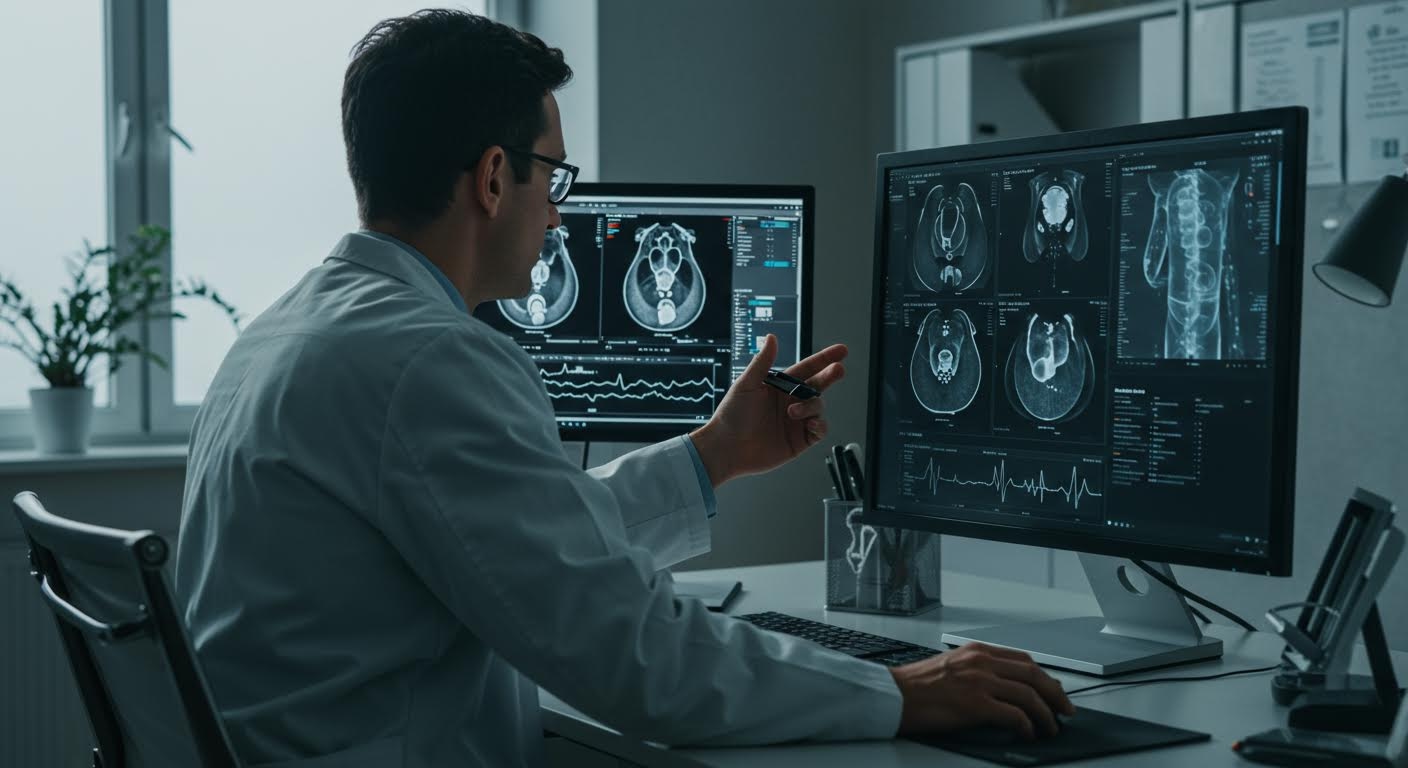
AI Revolutionizes Early Disease Detection with Superior Accuracy
The Diagnostic Revolution
Traditional disease detection often relies on subjective interpretation and can miss early-stage conditions when treatment works best. Artificial intelligence is fundamentally changing medical diagnostics by analyzing complex patterns in medical data that human specialists might overlook. This leads to earlier detection and better patient outcomes across multiple medical specialties.
AI integration in healthcare has gained serious momentum. The FDA has approved numerous AI-powered diagnostic devices and established regulatory frameworks to ensure safety and effectiveness. This represents a major shift from reactive to proactive healthcare, where diseases can be identified and treated before symptoms even appear.
Cancer Detection: Catching It Earlier
AI-powered cancer detection systems show remarkable accuracy in identifying various cancers through medical imaging analysis. In dermatology, AI systems analyzing skin images can spot skin cancer with accuracy matching or exceeding experienced dermatologists. This enables earlier intervention and better survival rates.
Mammography screening has been revolutionized by AI algorithms that detect subtle breast tissue patterns indicating early-stage breast cancer. These systems reduce false positives while catching cancers that routine screening might miss, improving both patient experience and outcomes.
For lung cancer detection, AI analysis of CT scans and chest X-rays shows superior performance in identifying early-stage tumors. Machine learning algorithms can process thousands of images and spot patterns associated with cancer, often detecting tumors months or years before they'd become symptomatic.
Eye Disease Prevention Through AI
Diabetic retinopathy screening represents one of AI's biggest healthcare success stories. Automated systems analyze retinal photographs to identify disease progression before vision loss occurs. These programs have been deployed globally, particularly helping underserved regions where ophthalmologists are scarce.
AI-powered glaucoma detection through retinal imaging enables early identification of this leading cause of blindness. By analyzing optic nerve changes and retinal patterns, these systems can detect glaucoma years before traditional methods, allowing timely intervention to preserve vision.
Age-related macular degeneration early warning systems use AI to identify subtle retinal structure changes that come before vision loss. This early detection allows for preventive treatments that can slow or halt disease progression, significantly improving quality of life for aging populations.
Heart Disease and Chronic Condition Prediction
Heart disease risk assessment has been enhanced through AI pattern recognition systems that analyze multiple cardiovascular risk factors simultaneously. These algorithms can identify patients at high risk for heart attacks or strokes years before symptoms appear, enabling preventive interventions.
AI-powered ECG analysis can detect subtle heart rhythms and cardiac abnormalities that might be missed during routine exams. These systems provide continuous monitoring and can alert healthcare providers to potentially life-threatening conditions in real-time.
Predictive modeling for diabetes and metabolic disorders uses AI to analyze patient data including lab results, lifestyle factors, and genetic markers to identify at-risk individuals. Integration with wearable devices enables continuous monitoring and early intervention strategies.
Regulatory Framework and Clinical Validation
The FDA has established comprehensive approval processes for AI diagnostic devices, requiring rigorous clinical validation and demonstration of safety and effectiveness. These frameworks ensure AI systems meet the same high standards as traditional medical devices while accommodating the unique characteristics of machine learning algorithms.
The World Health Organization has issued global guidelines for responsible AI implementation in healthcare, emphasizing ethical considerations, transparency, and equitable access. These guidelines help countries develop their own regulatory approaches while maintaining international standards.
Clinical trial requirements for AI diagnostic systems include validation across diverse populations and healthcare settings to ensure broad applicability. Evidence standards require demonstration of improved patient outcomes, not just diagnostic accuracy, to ensure real-world clinical benefit.
Implementation Challenges and Solutions
Integration with existing healthcare IT systems remains a significant challenge, requiring careful planning and technical expertise for seamless workflow integration. Successful implementations often use phased approaches that gradually introduce AI capabilities while maintaining existing processes.
Training requirements for medical professionals include education on AI capabilities, limitations, and appropriate use cases. Healthcare institutions must invest in ongoing education to ensure clinicians can effectively use AI tools while maintaining clinical judgment and patient care standards.
Cost considerations and reimbursement models are evolving as healthcare systems recognize the long-term value of early disease detection. While initial implementation costs can be substantial, the potential for improved outcomes and reduced treatment costs makes AI diagnostic systems increasingly attractive to providers and insurers.
Data privacy and security protocols must address the sensitive nature of medical information while enabling AI systems to function effectively. Robust cybersecurity measures and compliance with healthcare privacy regulations are essential for maintaining patient trust and regulatory compliance.
Future Outlook: Expanding Detection Capabilities
Emerging applications in rare disease identification leverage AI's ability to recognize patterns in small datasets, potentially revolutionizing diagnosis for conditions affecting limited patient populations. These systems can identify rare diseases that might otherwise go undiagnosed for years, connecting patients with appropriate treatments and support.
Multi-modal AI systems that combine various data sources including medical imaging, lab results, genetic information, and patient history promise even more accurate and comprehensive disease detection. These integrated approaches can provide holistic assessments of patient health and disease risk.
Personalized medicine and precision diagnostics represent the next frontier for AI in healthcare, where diagnostic and treatment recommendations are tailored to individual patient characteristics. This approach promises more effective treatments with fewer side effects and better patient outcomes.
Global health equity improvements through AI accessibility could democratize advanced diagnostic capabilities, bringing expert-level disease detection to underserved regions worldwide. As AI systems become more affordable and accessible, they have the potential to reduce healthcare disparities and improve outcomes for vulnerable populations.