AI-Powered Celebrity Scams: How Deepfakes Are Fueling a New Wave of Digital Fraud
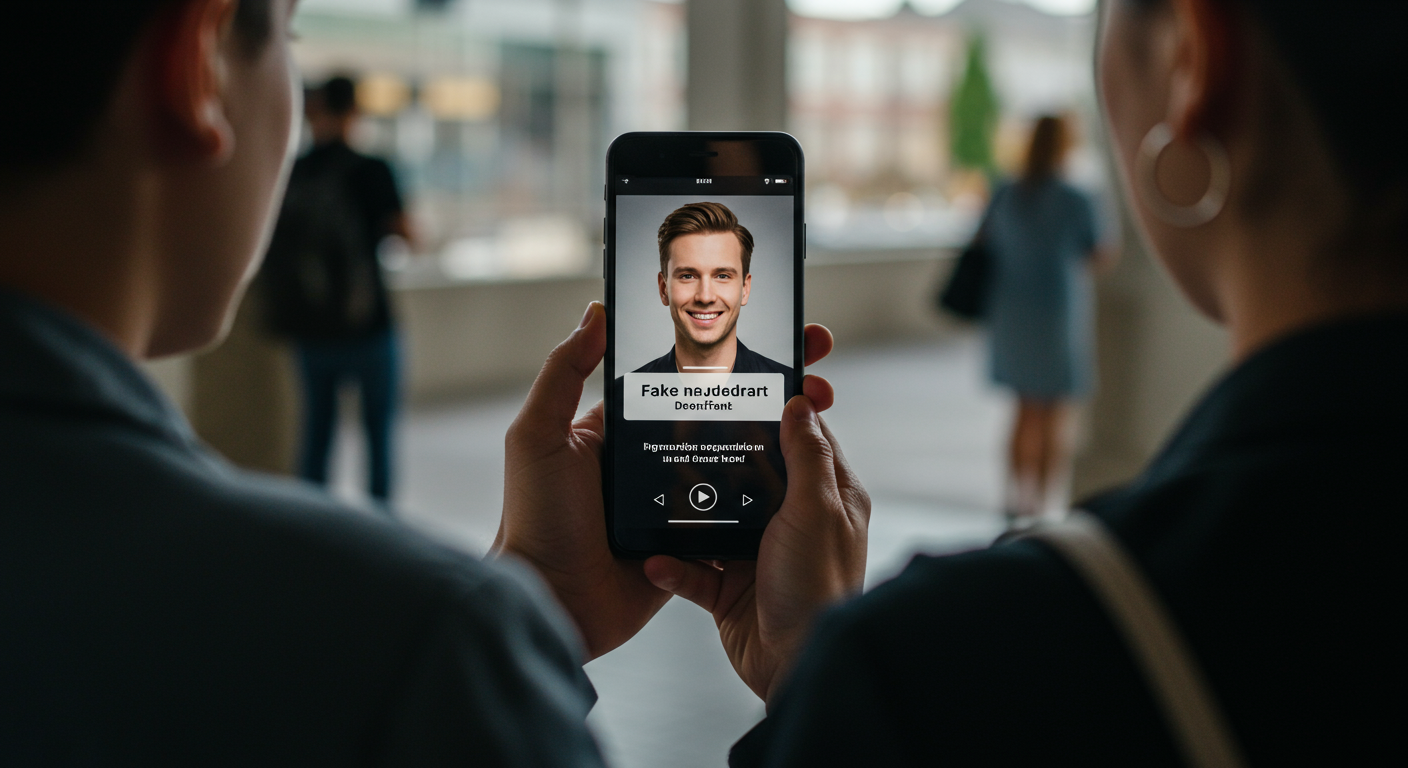
Scammers are weaponizing artificial intelligence to create disturbingly convincing celebrity impersonations, marking a dangerous evolution in digital fraud. Consumer protection organizations and cybersecurity experts report a sharp increase in AI-powered celebrity scams that leverage deepfake technology and voice cloning to trick victims into fraudulent investment schemes.
The Rise of AI-Powered Celebrity Impersonation
Deepfake technology has advanced rapidly, enabling fraudsters to create highly realistic celebrity impersonations that combine convincing visual and audio elements. The intersection of AI voice cloning and visual deepfakes has opened new avenues for sophisticated scam operations that operate at unprecedented scale.
Cybersecurity researchers note that current AI celebrity scam networks achieve a level of sophistication previously impossible. The technology allows scammers to generate fake celebrity endorsements that can deceive even cautious consumers, particularly when distributed through social media platforms where genuine celebrity content regularly appears.
Cryptocurrency Investment Scams: The Primary Target
Consumer protection experts report that cryptocurrency scams dominate the AI celebrity impersonation fraud landscape. The allure of crypto investments, combined with the perceived credibility of celebrity endorsements, creates a perfect storm that fraudsters exploit through both technological advancement and psychological manipulation.
Financial analysts have documented several high-profile cases where deepfake technology created fake celebrity crypto endorsements. These sophisticated operations often feature convincing video content of well-known personalities appearing to promote specific cryptocurrency platforms or investment opportunities.
Research indicates that crypto celebrity scams have generated substantial financial losses across diverse victim demographics. The combination of AI technology and cryptocurrency's complexity makes these scams particularly effective at bypassing traditional fraud detection methods.
Voice Cloning: The Audio Deception Threat
AI voice cloning technology now replicates celebrity voices with alarming accuracy. Cybersecurity experts warn that robocall and phone-based celebrity impersonation attacks are becoming increasingly common, using voice synthesis to create personalized scam attempts.
The Federal Communications Commission has issued specific warnings about the growing threat of voice cloning scams. According to the FCC, deepfake audio technology makes robocalls and scam communications significantly harder to identify, particularly when combined with celebrity impersonation tactics.
Technical analysis reveals that current AI voice cloning capabilities can generate convincing celebrity voices using relatively small amounts of source audio, making virtually any public figure a potential target for voice-based impersonation fraud.
Detection Challenges and Red Flags
Consumer protection organizations acknowledge that AI-generated celebrity content is becoming increasingly difficult to identify through casual observation. The rapid improvement in deepfake quality means traditional indicators of fake content are becoming less reliable.
However, cybersecurity experts point to several technical indicators and behavioral patterns that can help reveal AI impersonation attempts. These include subtle inconsistencies in facial movements, unnatural speech patterns, and promotional content appearing outside a celebrity's typical endorsement channels.
Consumer guidance emphasizes the importance of verification when encountering celebrity endorsements, particularly for investment opportunities. Red flags include unsolicited contact claiming celebrity association, pressure to act quickly on investment opportunities, and endorsements appearing exclusively on unofficial channels.
Industry and Regulatory Response
Financial institutions are adapting their fraud detection systems to address deepfake-related risks. Banking sector analysis suggests institutions are implementing new verification protocols and AI detection tools to identify potentially fraudulent celebrity-endorsed investment schemes.
Government agencies have begun issuing warnings and taking enforcement actions related to AI-powered celebrity scams. The regulatory response includes updated consumer guidance and coordination with technology platforms to improve detection and removal of fraudulent deepfake content.
Major social media and advertising platforms are deploying AI detection tools designed to identify and remove deepfake celebrity endorsements. However, industry observers note that the arms race between detection technology and scam sophistication continues evolving rapidly.
Protecting Yourself from AI Celebrity Scams
Consumer protection experts recommend several verification strategies before engaging with any celebrity endorsement. These include checking official celebrity social media accounts and websites for confirmation of legitimate endorsements, and exercising particular caution with investment opportunities promoted through unofficial channels.
Specific red flags for AI-generated promotional content include celebrities endorsing products outside their typical areas of interest, promotional content with unusual audio or video quality, and investment opportunities that pressure immediate action or secrecy.
Victims of celebrity impersonation scams can report incidents to federal agencies like the Federal Trade Commission and FBI, as well as through platform-specific reporting tools. Consumer protection organizations emphasize that reporting suspected deepfake scams helps authorities track and combat these evolving threats.
As AI technology continues advancing, staying informed about deepfake capabilities and maintaining healthy skepticism toward celebrity endorsements—particularly for financial products—remains the most effective defense against these sophisticated digital deception campaigns.